Introduction: Why Talking About Money Mistakes Matters
In Malaysia, money is often a sensitive topic, a taboo at the dinner table, but a constant source of stress behind closed doors. From overspending during Hari Raya and Chinese New Year to neglecting proper insurance coverage and estate planning, many Malaysians fall into avoidable traps that cost them peace of mind and financial freedom.
If you’ve ever felt like your salary disappears before your next salary arrives or that you’re so-called “not ready yet” to start investing, this post is for you. Let’s walk through the most common financial mistakes Malaysians make, and how you can avoid them with smarter, more strategic financial planning.
1. Living Paycheck to Paycheck (Without Tracking Expenses)
The Mistake:
Many Malaysians, even those earning above RM5,000 monthly, find themselves with almost nothing left by the end of the month. They cover bills, eating out, a few Shopee purchases during 11.11 sales (or 9.9, 8.8, and so on), and wonder why their bank account is empty before the next salary comes in.
Why It Happens:
We tend to underestimate daily spending. Those RM15 nasi kandar lunches, RM25 Grab rides during rush hour, and those unplanned Lazada 11.11 deals add up faster than we realize.
How to Fix It:
- Start a simple budget: Use apps like Money Lover, Spendee, or even a Google Sheet.
- Track where your ringgit goes for 30 days – you’ll be shocked at how much is spent on “small things” like bubble tea and weekday lunches.
- Apply the 50/30/20 rule: 50% needs (rental, car loan, utilities), 30% wants (dining out, entertainment), 20% savings/investments.
💡 Real Malaysian Case: Anna, a 28-year-old marketing exec in Bangsar, switched from daily RM18 café lunches to home-cooked meals and meal preps. She saved RM400 monthly—enough to start a PRS account and still enjoy weekend hangout sessions with friends.
2. Over-Reliance on EPF for Retirement
The Mistake:
Assuming that EPF alone is enough for retirement, especially after making i-Sinar or i-Lestari withdrawals during the pandemic.
Why It’s a Problem:
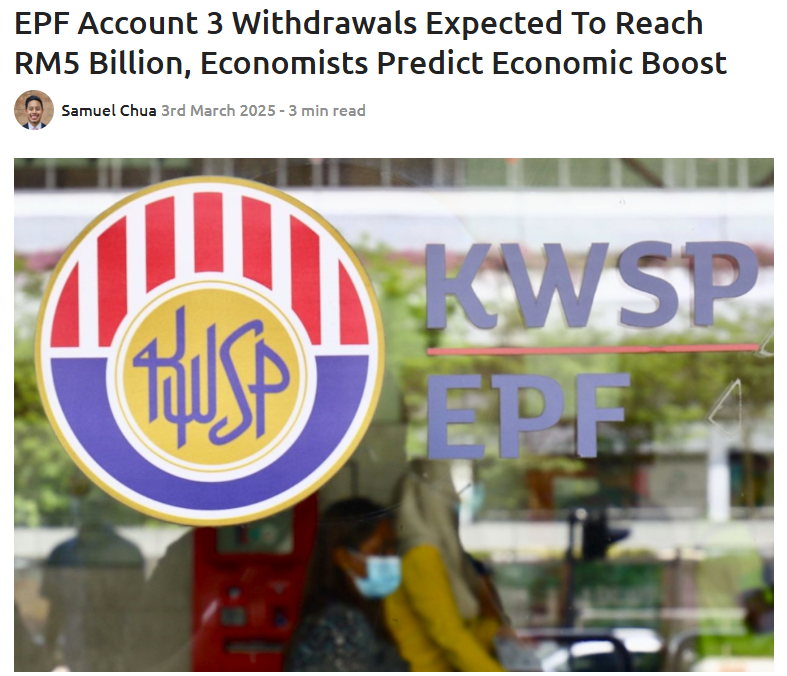
While EPF is a solid foundation, it often isn’t sufficient—especially with rising medical costs and inflation. Many Malaysians withdraw early for house down payments, education, or emergencies, reducing their retirement cushion. With today’s rising cost of living in urban centers like KL, Penang, and JB, relying solely on EPF is increasingly risky. Speaking of EPF’s Akaun 3 (Fleksibel) which was introduced last year, did you know that the accumulated withdrawal is going to reach a whooping RM5 billion soon (as of Mar 2025)?
How to Fix It:
- Supplement EPF with Private Retirement Scheme (PRS) or investment funds—plus enjoy the RM3,000 annual tax relief.
- Do a retirement gap analysis: How much will you need to maintain your lifestyle at 60+? Factor in inflation unique to Malaysia (especially medical and food costs).
- Consider diversifying with unit trusts, ETFs, ASB (for Bumiputera), or even REITs like Pavilion or IGB for regular income if suitable for your risk profile.
📊 Did You Know? The average EPF savings at age 55 is around RM240,000. That’s only RM1,000/month for 20 years—not enough if you live till 80, especially considering Malaysian healthcare costs are rising at 10-15% annually.
3. Buying Insurance Without Understanding It
The Mistake:
Buying a policy from a friend or relative after a mamak session—without understanding what it actually covers.

Common Issues:
- Overlapping policies between personal and employer coverage
- Underinsured on medical (especially when public hospitals are overcrowded) or critical illness
- Too much investment-linked insurance (ILP), too little actual protection
How to Fix It:
- Do an Insurance Review every 2–3 years.
- Separate protection and savings. Your insurance should primarily protect income, not act like a forced FD or ASB alternative.
- Ensure adequate coverage for death, TPD, critical illness, and hospitalisation—especially if you have dependents or aging parents to support.
🔍 Pro Tip: Use cross-company comparisons like those on Bank Negara’s insurance info portal. Not all medical cards are created equal—even with the same annual limit, the sub-limits and exclusions can vary significantly between companies.
4. Taking on Lifestyle Debt

The Mistake:
Getting trapped in credit card debt, personal loans, or ‘buy now, pay later’ (BNPL) traps to fund wants, not needs—what Malaysians often call “syok sendiri” purchases.
Examples:
- Using credit to buy the latest iPhone on launch day at Mid Valley
- Overspending on luxury bags, cars beyond your means, or lavish travels to “keep up” on Instagram
- Taking personal loans for weddings (the average Malaysian wedding now costs RM50,000-RM80,000!) or home renovations
Why It’s Dangerous:
High-interest debts can snowball quickly. A RM10,000 credit card balance at 18% interest can take years to clear with minimum payment, and BNPL schemes often have hidden penalties.
How to Fix It:
- Prioritise high-interest debt repayment (avalanche or snowball method).
- Build an emergency fund of 3-6 months’ expenses to avoid borrowing in crises—keep it in a high-yield savings account or FD.
- Set boundaries: If you can’t buy it twice in cash, you probably shouldn’t finance it. Remember to never eat something bigger than your own head.
💡 Malaysian Snapshot: In 2022, Malaysia’s household debt-to-GDP ratio was over 80%. AKPK has reported increasing cases of young professionals in debt counseling due to lifestyle inflation.
5. Delaying Investing or Thinking It’s “Not for Me”

The Mistake:
Believing you need to be rich, finance-savvy, or ‘ready’ before starting to invest. Many Malaysians prefer keeping money in conventional savings accounts earning minimal interest.
The Cost of Delay:
Time is your greatest advantage in investing. Waiting 5 years could cost you thousands in compounding returns—especially in a country where inflation consistently outpaces basic savings rates.
How to Fix It:
- Start small: Even RM100/month into a unit trust, Amanah Saham fund, or PRS is better than zero.
- Learn the basics: Read blogs (like this one!), watch YouTube, or attend free webinars from licensed sources like Securities Commission Malaysia.
- Avoid scams: Stay away from “guaranteed returns” and flashy investments promising 30% profit in 30 days—remember the gold investment and forex trading scams that have trapped many Malaysians.
🧠 Mindset Shift: Start now. Start small. Grow with time. Investing is a habit—not a destination. Many of my clients who started with just RM200 monthly investments are now managing six-figure portfolios.
6. Not Having a Will or Estate Plan

The Mistake:
Assuming you’re “too young” or “don’t have enough assets” to need a will or wasiat.
The Reality:
Without a will, your estate may take 1–3 years to be distributed—and not necessarily according to your wishes. For Muslims, faraid applies by default unless hibah is done. Malaysian courts can be particularly slow with estate matters.
Why It’s a Problem:
- Frozen accounts and assets (a major issue when settling bills or supporting dependents)
- Delays in distribution through the Amanah Raya process
- Legal disputes among heirs, often straining family ties
How to Fix It:
- If you own property, have kids, or have dependents—you need a will or wasiat.
- Explore trust planning for faster distribution or protection of minors through institutions like AAIB.
- Regularly update your nominations (e.g. EPF, SOCSO, insurance, bank accounts).
🧾 Real Case: Mr. Lim, a business owner in Ipoh, passed away suddenly with no will. His family had to wait 2 years before accessing his EPF and properties due to legal disputes among siblings, while his business suffered without clear succession.
7. Not Having a Financial Plan At All

The Mistake:
Relying on “winging it” with money—no budgeting, no savings plan, no roadmap. Many Malaysians adopt the “que sera sera” mindset without proper planning.
Why It’s Risky:
Without a plan, you may be unknowingly moving toward financial burnout, especially if life throws curveballs like medical bills (even with government hospitals), job loss, or market downturns. This is especially true in Malaysia’s sometimes volatile employment market.
How to Fix It:
- Get a comprehensive financial plan (or start simple with a DIY version).
- Include: Cash flow, insurance, debt, investment, retirement, and estate planning tailored to Malaysian tax laws and available products.
- Revisit your plan yearly and adjust as your life changes—especially after major events like marriage, having children, or buying property.
🧭 Need Help? If you’re not sure where to start, consider talking to a licensed financial planner (like me!) who is regulated by the Securities Commission Malaysia and can guide you step-by-step.
Conclusion: Mistakes Are Common—But They’re Not Permanent
Making money mistakes doesn’t mean you’ve failed—it means you’re human. What matters is how quickly you learn, adjust, and take control. Whether it’s finally tracking your budget, upgrading your medical card coverage, or starting your first ASB or PRS account—small actions compound over time.
Remember, financial wellness isn’t just about wealth accumulation—it’s about creating peace of mind and options for your future, regardless of whether you’re earning RM3,000 or RM30,000 monthly.
So, which of these mistakes have you made—and which one will you fix first? Share in the comments or reach out for a consultation!


 The Mindful Money Path
Leave a comment