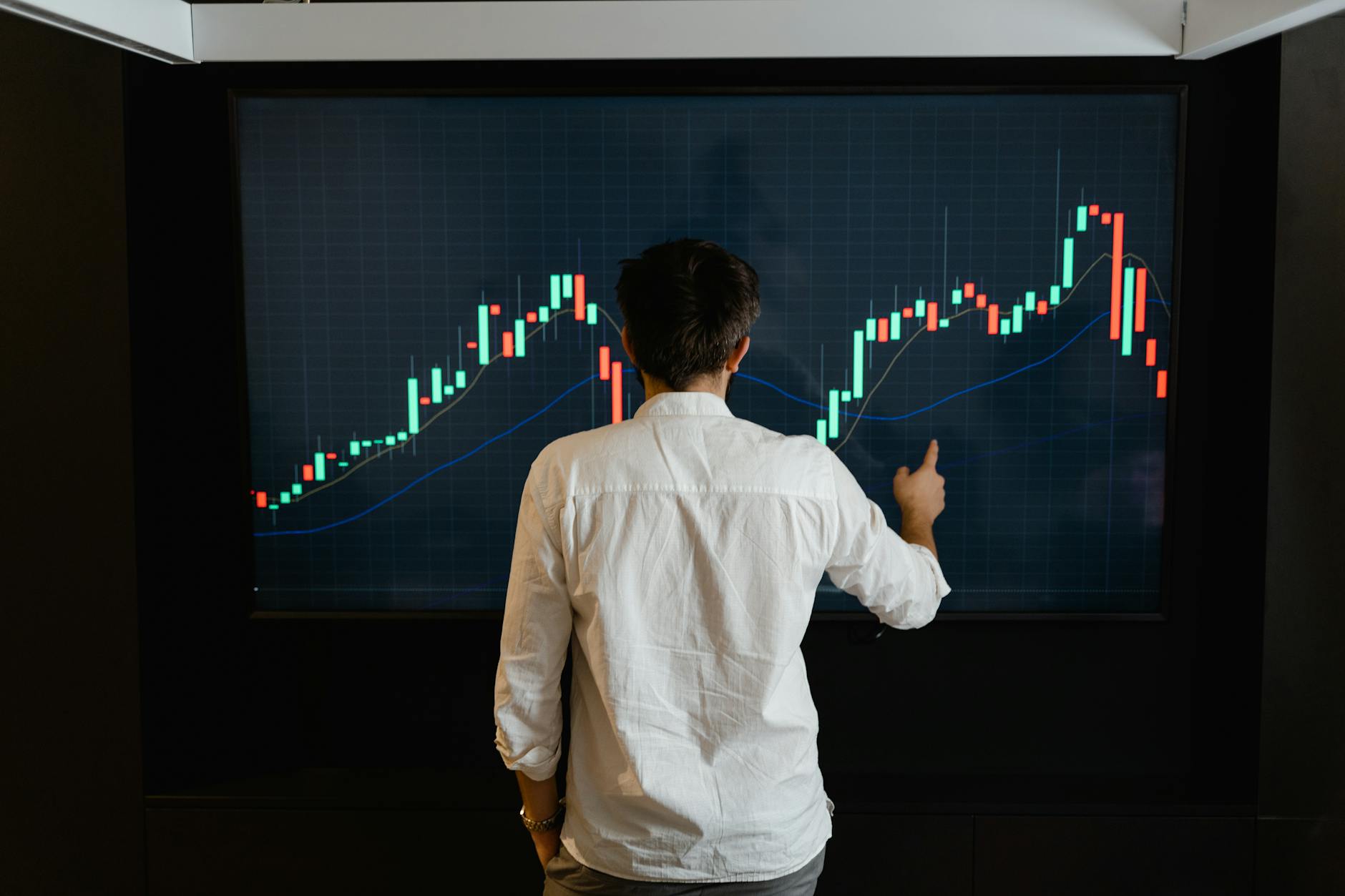
Investing isn’t just about numbers, charts, and market trends, it’s also about how we feel.
The truth is, your emotions can have as much impact on your portfolio as the investments you choose.
If you’ve ever panic-sold during a market drop or chased “hot” stocks because everyone was talking about them, you’ve experienced emotional investing firsthand.
Why Emotions Play Such a Big Role in Investing
Money is deeply personal.
It’s tied to our sense of security, success, and even self-worth.
When the market moves up or down, it can trigger powerful emotional reactions, sometimes stronger than logic.
The Most Common Emotional Traps for Investors
1. Fear
When markets fall, fear kicks in. Investors panic and sell at a loss, thinking it’s the only way to protect their money.
Example: During the 2020 COVID-19 crash, many investors sold their stocks at steep losses, only to watch the market rebound months later.
2. Greed
The opposite of fear, greed, makes you chase high returns without considering risks.
Example: Jumping into “get-rich-quick” schemes, penny stocks, or speculative crypto coins because of FOMO (fear of missing out).
3. Overconfidence
Believing you “know” where the market is headed can lead to risky bets and ignoring diversification.
4. Herd Mentality
Following the crowd because “everyone else is doing it” often ends badly, the crowd is usually late to the trend.
5. Loss Aversion
Psychologically, losing RM1 hurts more than gaining RM1 feels good.
This can cause you to hold on to losing investments too long, hoping they’ll bounce back.
How to Keep Emotions from Destroying Your Investments
1. Have a Written Investment Plan
Set clear goals, asset allocation, and rules for when to buy or sell, and stick to them.
2. Focus on the Long Term
Short-term market noise can distract you from your long-term objectives.
Remember: historically, markets recover over time.
3. Automate Your Investments
Regular monthly contributions to unit trusts, ETFs, or PRS remove the temptation to time the market.
4. Limit Market News Consumption
Constant updates can cause overreactions. Check your portfolio quarterly, not daily.
5. Work with a Professional
A licensed financial planner can help you make rational decisions when emotions run high.
Malaysian Context: Real-Life Examples
- Unit Trust Switching Frenzy – Some investors switch funds every time the market dips, losing out on compounding due to switching costs and missed rebounds.
- Property Rush – During housing booms, many Malaysians over-leverage to buy multiple units, only to face cash flow problems when the market slows.
- Gold Hype – Many buy gold when prices are at record highs, then sell when it falls, the opposite of “buy low, sell high.”
Final Thoughts
Investing is as much about managing yourself as it is about managing your money.
If you can control your emotions, you’ll have a far better chance of building a portfolio that grows over time — and avoids costly mistakes.
💬 Your Turn: Which emotion affects your investment decisions the most, fear, greed, or overconfidence?


 The Mindful Money Path
Leave a comment